Deutsch
 English
 中文
中文 日本語
日本語 한국어
한국어
Does the lightweight advantage of recycled plastics (PCR) mean glass's position in cosmetic packaging is in jeopardy?
Glass and plastic bottles and jars have become popular options for modern beauty brands, each playing a distinct role in the beauty industry. However, in recent years, post-consumer recycled (PCR) plastics have been increasingly adopted by international brands due to their lighter weight and readily apparent environmental benefits. This raises a valid question: given the sustainability and lightweight advantages of PCR plastics, does glass still have a place in cosmetic packaging?
As a brand manager making decisions for the European market in 2026, you are likely pondering this question. The answer is yes—glass remains the most popular choice for cosmetic packaging, and the reasons for this choice go far beyond weight alone. In the high-end beauty sector, glass continues to thrive.
The advantages of PCR plastics: Why are they so popular?
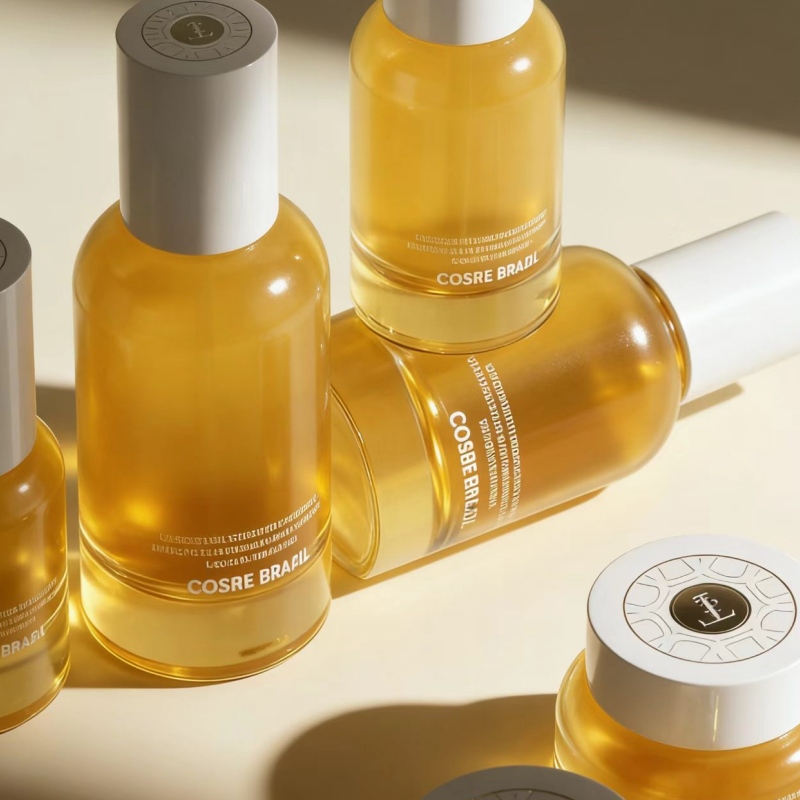
The advantages of PCR plastics in cosmetic packaging are multifaceted: they reduce plastic pollution and carbon emissions, meeting consumers' expectations for environmentally friendly packaging. In terms of weight and impact resistance, glass has a density of approximately 2.5 g/cm³, while plastic typically ranges from 0.9 to 1.2 g/cm³. For the same volume, a plastic bottle weighs only half or less than a glass bottle. Glass is fragile, requiring additional cushioning during logistics, increasing packaging volume and cost. For brands with an increasingly significant presence in e-commerce channels, lighter packaging translates to lower transportation costs and carbon emissions—a tangible advantage.
However, life cycle assessments reveal a more complex picture. A 2022 study in *Environmental Science & Technology* found that a replaceable glass serum bottle only outperforms a single-use plastic bottle in terms of environmental performance after approximately 4.7 replacements. If consumers discard the outer bottle or skip the replacement step, the carbon footprint per use can be 2.3 times higher than that of optimized single-material plastic. Therefore, replaceable packaging itself does not equate to environmental friendliness; true environmental friendliness depends on whether consumers actually reuse the packaging.
Similarly, a study commissioned by the Glass Industry Federation and conducted by the Wuppertal Institute in Germany analyzed the lifecycle of four types of 50ml face cream jars. It found that lightweight glass jars and plastic jars had similar material footprints, while heavy-duty glass jars actually had a carbon footprint nearly one-third lower than heavy-duty plastic jars. This logic still holds true: while pursuing the same "heavyweight feel," glass is actually more environmentally friendly than plastic. Lightweighting is key to environmental protection—whether it's glass or plastic.
All of this demonstrates that lightweighting does not equate to low impact. When recycling infrastructure and consumer behavior are taken into account, measuring environmental performance solely by weight is far from sufficient.
The Return of Glass: Regulations, Recyclability, and Trust
Recent conversations with European clients revealed that their most frequent topic of discussion wasn't price or delivery time, but rather "PPWR" (Pressed Permeable Glass Rendering). The high frequency of this term made me realize that the golden advantage of glass packaging is returning.
Europe is the world's largest market for cosmetic and perfume glass packaging, accounting for approximately 30% of the global market, and is projected to grow at a CAGR of 4.6% by 2033. In 2023, the average recycling rate of glass packaging in the EU reached 80.8%—Italy surpassed 90%, and Spain jumped from 69.9% to 75.9%, with over 12 million tons of glass recycled throughout the year. Recycling is no longer an added bonus, but a high-speed machine.
From August 2026, the Packaging and Packaging Waste Regulation (PPWR) will be fully implemented, fundamentally raising the entry threshold. By 2030, all cosmetic packaging containers placed on the EU market must be recyclable, and those with a recyclability of less than 70% will be prohibited. The PPWR is not a "directive" or suggestion, but a mandatory legal requirement directly applicable to all member states, covering all materials including plastics, paper, metals, and glass.
In contrast, PCR plastics face a fundamental structural barrier: downgrading for recycling. Most recycled plastics degrade in quality after one or two cycles, eventually ending up in landfills or incinerators. It cannot provide the closed-loop, unlimited recyclability that glass has achieved on a large scale. For European brands bound by the PPWR, the choice is not which material "feels" more sustainable, but which material actually meets the recyclability rating requirements. Glass has already achieved this.
Consumer Preference: Glass is a material that plastic cannot replicate. European environmental awareness is driven by consumers themselves. Sustainability perception in the cosmetics industry is primarily driven by packaging materials, with glass consistently outperforming plastic in consumer trust studies. German consumers are willing to pay an extra €1 for glass containers.
An FMI report in March 2026 explicitly states: "Glass jars are expected to lead material demand with a 38.7% share in 2026." Glass jar cosmetic packaging leads material demand, with luxury and high-end skincare brands being the main players in this segment. A Mordor Intelligence report also indicates that the cosmetics and fragrance glass bottle packaging market will be worth $2.61 billion in 2025—the bottle is not just packaging, but part of the product. The weight, clarity, and warm touch of glass convey a sense of luxury that PCR plastic cannot imitate.
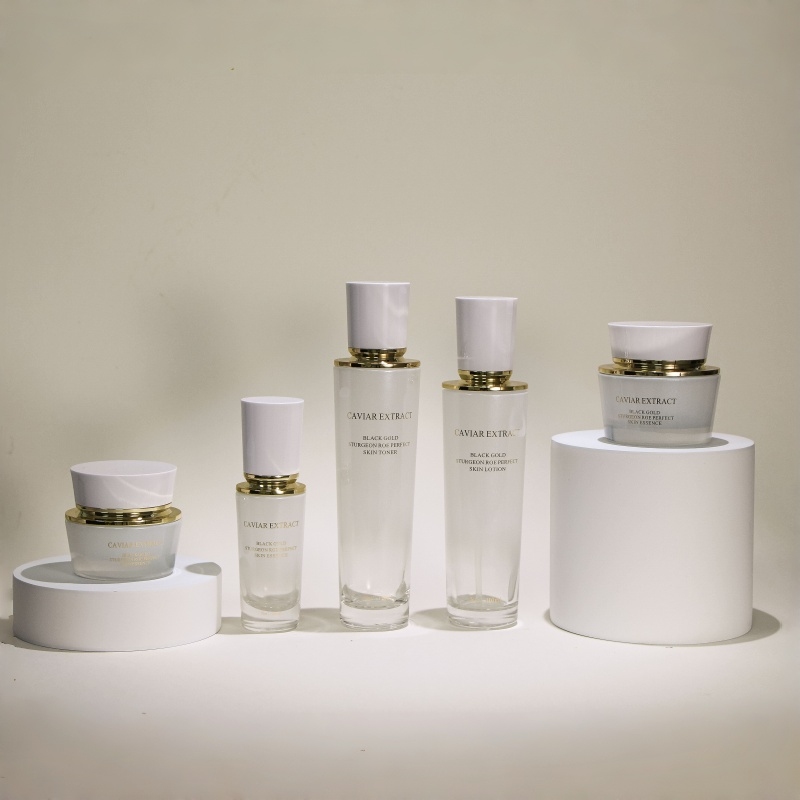
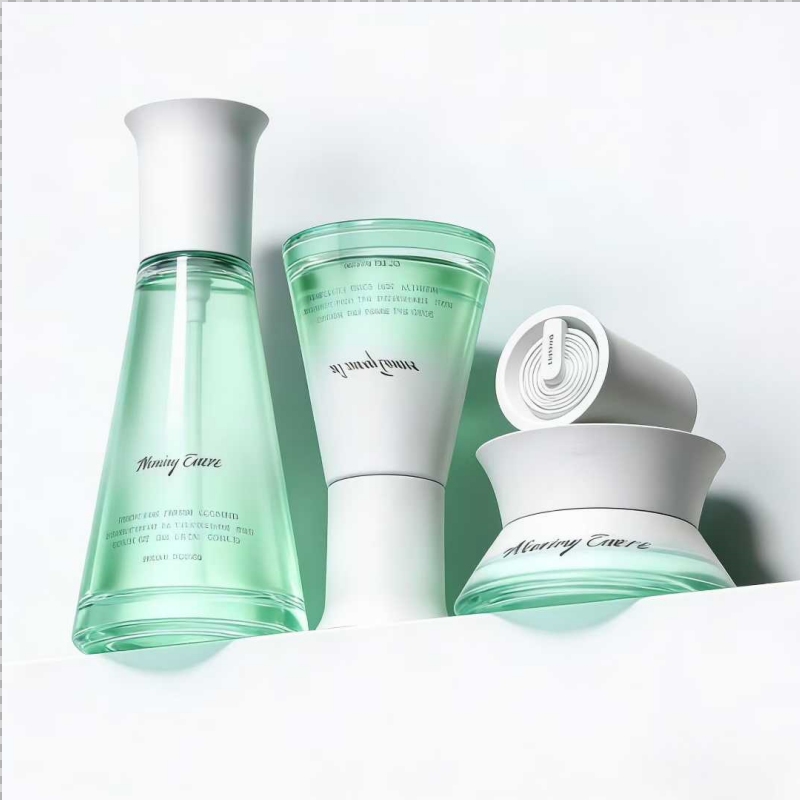
Cosmetic packaging creates an upscale, minimalist feel precisely because glass allows for clean lines, optical brilliance, and the authentic presentation of the formula. Glass packaging enhances the perceived value of the product; this is brand equity, not packaging cost.
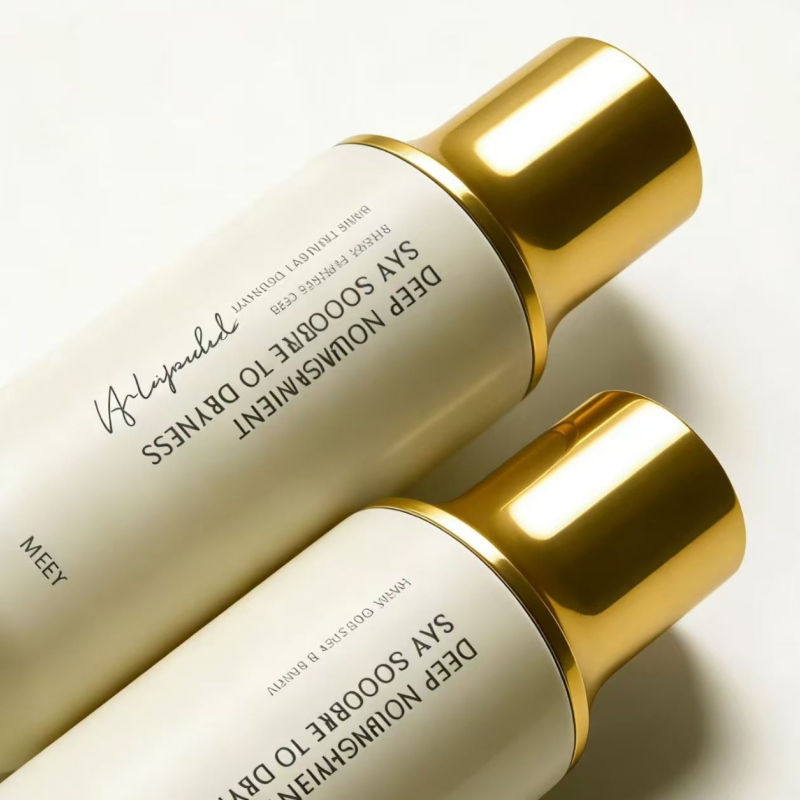
The Weight Difference: No Longer an Issue
Lightweight glass technology is rapidly evolving. At Paris Packaging Week in February 2026, SGD Pharma launched its NOVA lightweight glass series, achieving up to 20% CO2 reduction; Bormioli Luigi invested in replaceable formats and thinner bottle walls; Gerresheimer offers glass packaging with high PCR content, lightweight design, and replaceable systems; Lierac's new 50ml square replaceable jar uses double-walled glass and contains 40% PCR material. All of this reflects that the carbon footprint gap between glass and plastic is narrowing—for high-end brands, it's no longer an either-or trade-off.
The Advantages of Glass: Customization and Brand Narrative
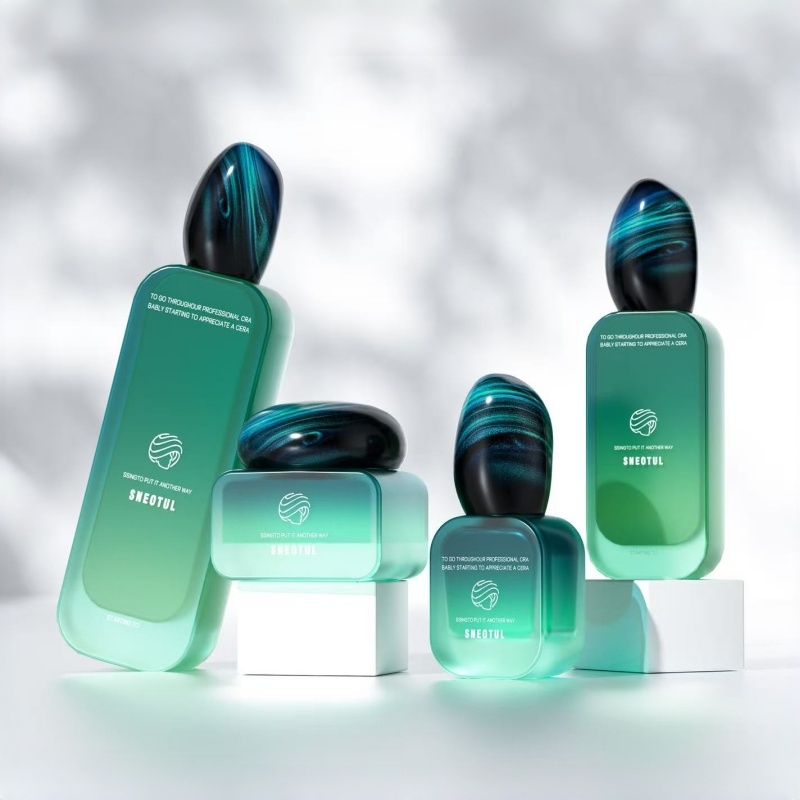
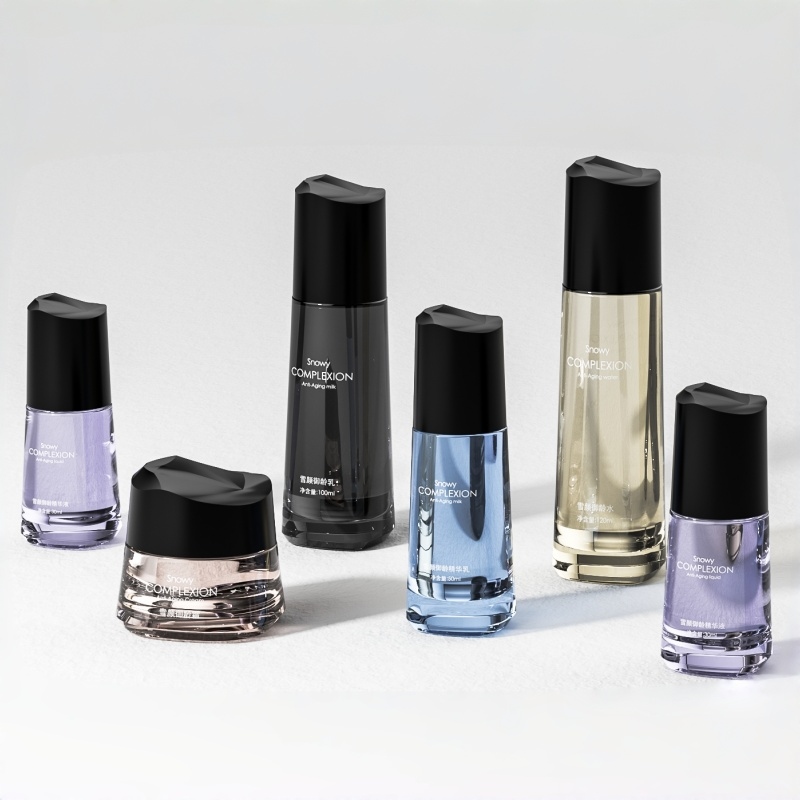
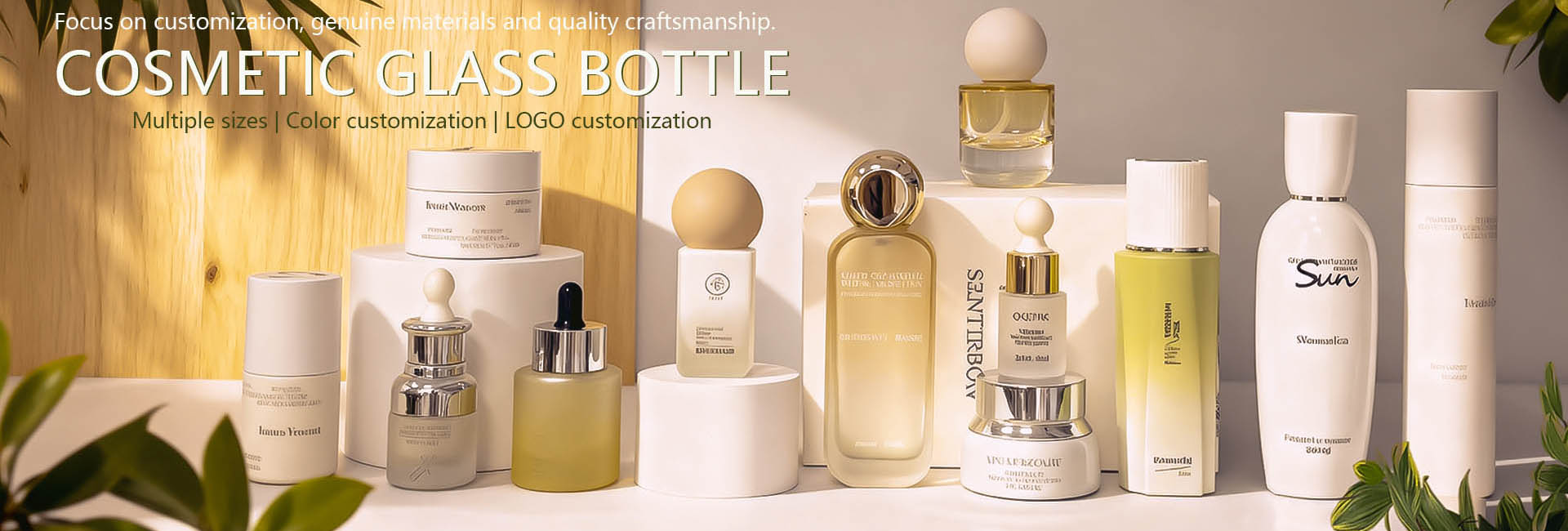
For custom cosmetic packaging manufacturers, the real differentiation isn't weight, but the ability to tell a brand story through the bottle itself. Glass can showcase gradient coatings, translucent colors, matte finishes, metallic effects, UV screen printing, and hot stamping. Minimalist luxury, retro elegance, and modern simplicity can all be achieved on glass, simply by using the same bottle shape with clever embellishments. This means a brand can achieve custom cosmetic packaging without incurring the mold-making costs of custom molds.
This is precisely NAISI Packaging's strength. We combine in-house mold making, glass forming, and a full suite of surface treatment technologies to deliver cosmetic packaging that aligns with your brand's visual identity and sustainability goals. From skincare glass bottle packaging to luxury cosmetic packaging, as a custom cosmetic packaging manufacturer, we allow you to work with only one partner from concept to finished product.
Coexistence, Not Substitution
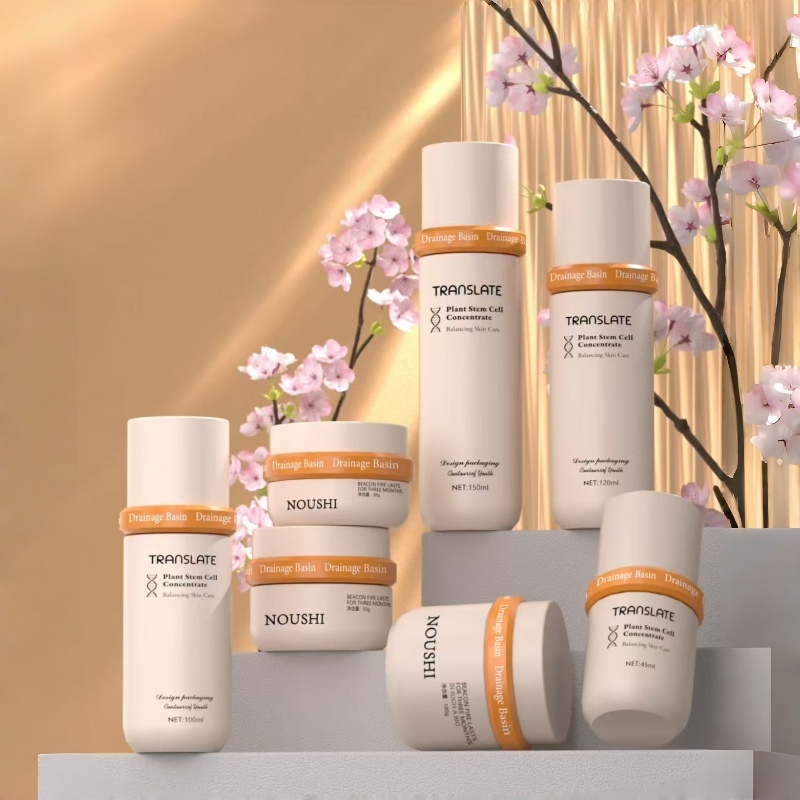
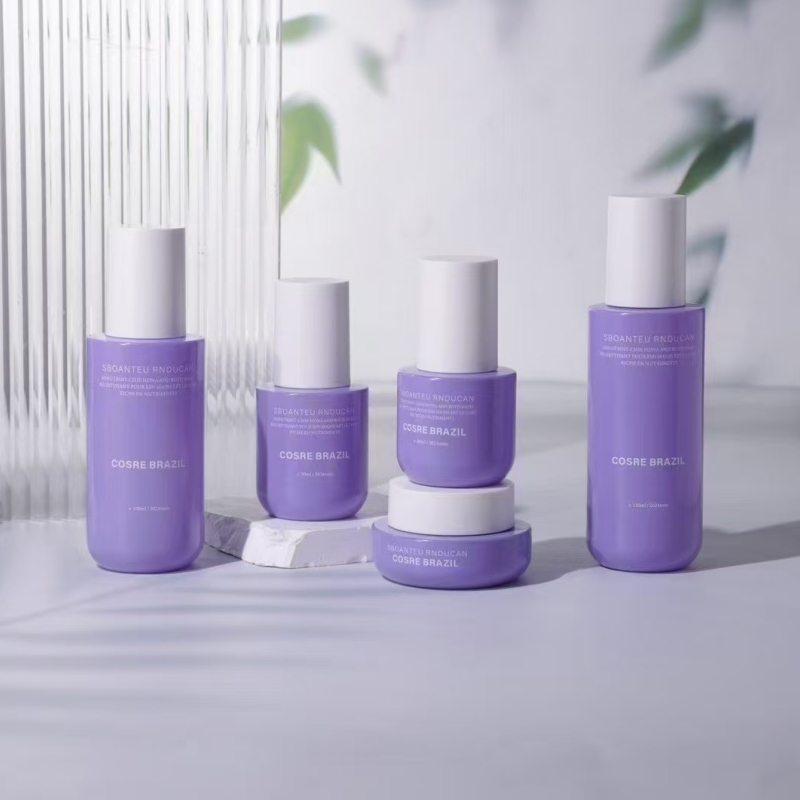
The most established brands employ a hybrid packaging strategy: using glass as the primary container to enhance brand image, paired with PCR plastic or cardboard for secondary packaging, balancing cost, sustainability, and functionality. Sustainability is not singular; different applications require different materials. Glass will continue to dominate the high-end skincare, fragrance, serum, and essential oil sectors; PCR plastic will continue to expand in mass-market personal care, travel-size, and e-commerce-intensive categories.
Conclusion: Glass's Position Remains Unshaken
So, does the lightweight advantage of PCR plastic mean that glass's position in cosmetic packaging is in jeopardy? No. What we are witnessing is not substitution, but specialization. For cosmetic glass manufacturers, the opportunities lie in lightweighting, PCR integration, replaceable systems, and advanced finishing. For brands, the question shouldn't be "glass or PCR plastic?", but rather "what material is right for this product's positioning, price point, and end-of-life?"
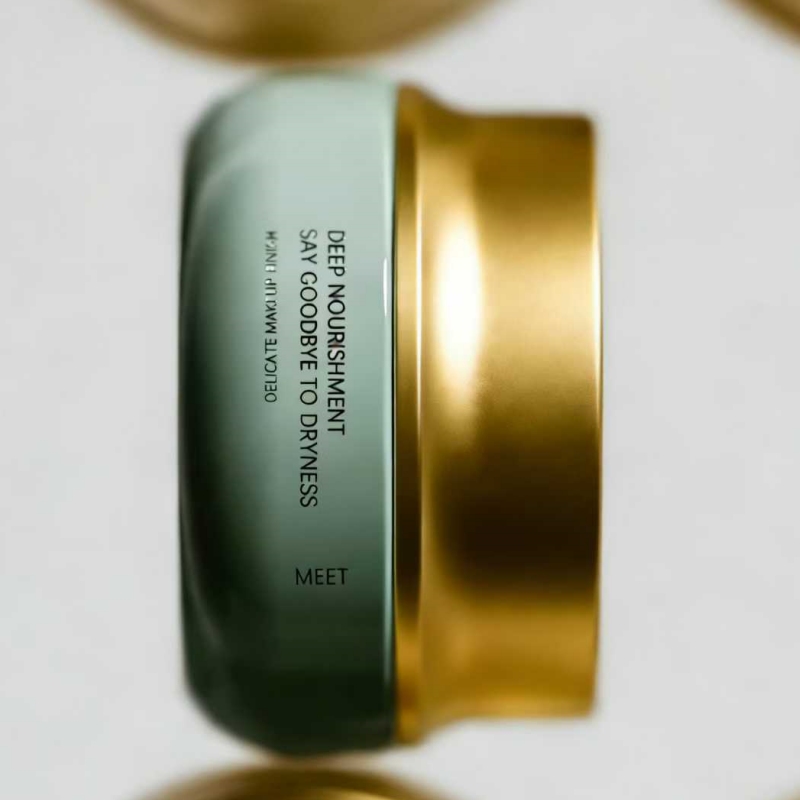
At NAISI Packaging, we are a dedicated cosmetic glass packaging supplier with in-house mold development, glass forming, and full-service finishing capabilities. Whether you need a glass jar cosmetic packaging solution or a cosmetic and perfume glass packaging project for the European market, we offer quality, compliance, and creative partnerships.
Ready to elevate your brand with premium glass packaging? Contact NAISI Packaging—your partner from mold to masterpiece.